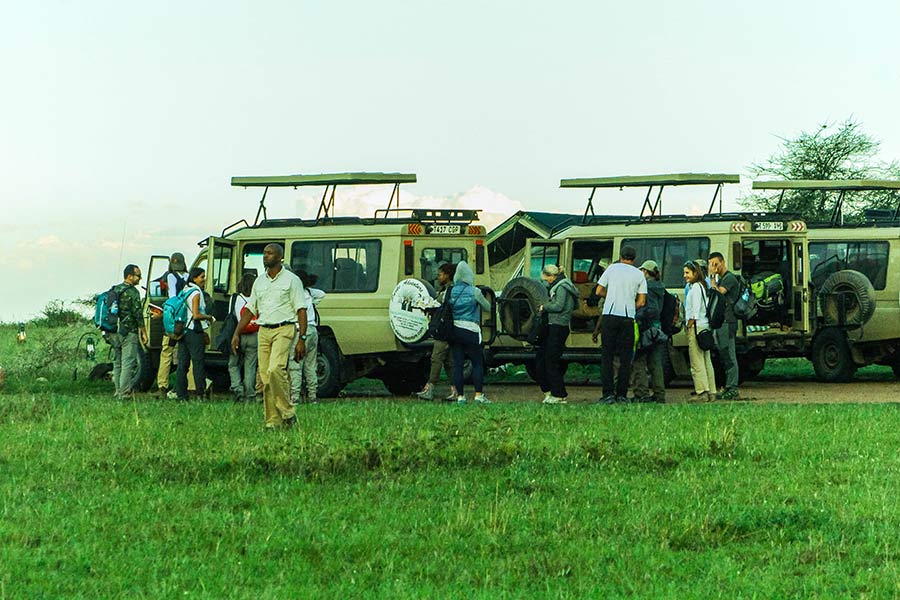
Planning Your First Tanzania Safari: A Complete Guide
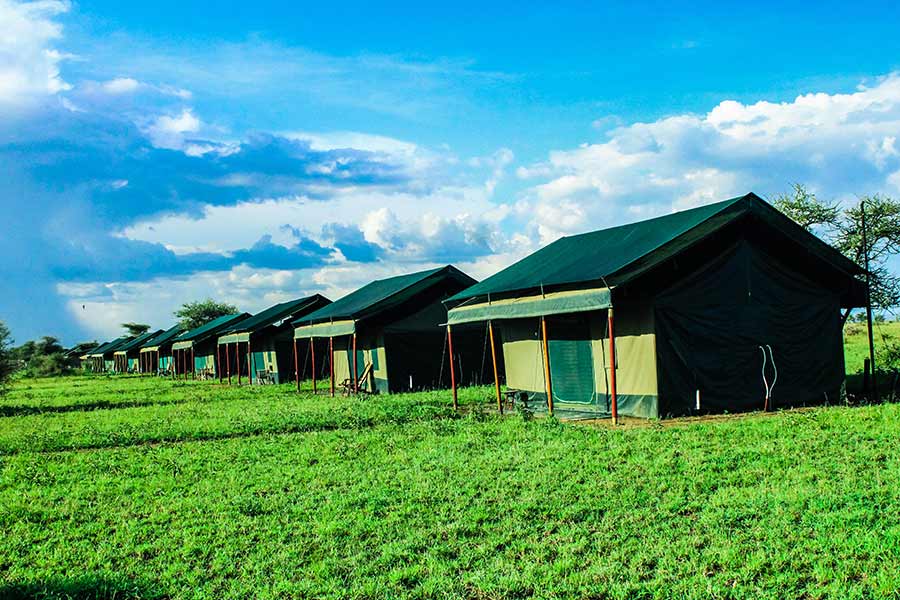
A safari in Tanzania is one of the great travel experiences of a lifetime. From the iconic Serengeti to the stunning Ngorongoro Crater, Tanzania offers a wealth of wildlife encounters, dramatic landscapes, and cultural richness that few destinations can match. But planning your first safari can feel daunting — there are many decisions to make, and the stakes feel high when you are investing in a once-in-a-lifetime trip.
This guide is designed to walk you through every aspect of planning a Tanzania safari, from choosing the right time of year and selecting parks to understanding costs, preparing for health and safety, and making the most of your precious days in the bush.
When to Go
Tanzania is a year-round safari destination, but the experience varies significantly depending on when you visit. The country has two main seasons:
Dry Season (June to October): This is the peak safari season and for good reason. Skies are clear, vegetation is thin (making wildlife easier to spot), and animals concentrate around permanent water sources. The Great Migration reaches the northern Serengeti and the Mara River during this period, offering some of the most dramatic wildlife spectacles on the planet. The main drawback is higher prices and more visitors, particularly in July, August, and September.
Wet Season (November to May): Often called the "green season," this period sees intermittent rains that transform the landscape into a lush, verdant paradise. The short rains (November to December) are generally brief and do not significantly disrupt safari activities. The long rains (March to May) are heavier and less predictable, with some camps closing for the season. However, the wet season brings its own rewards: dramatically lower prices, fewer tourists, spectacular skies, newborn animals, and exceptional birding as migratory species arrive from the Northern Hemisphere.
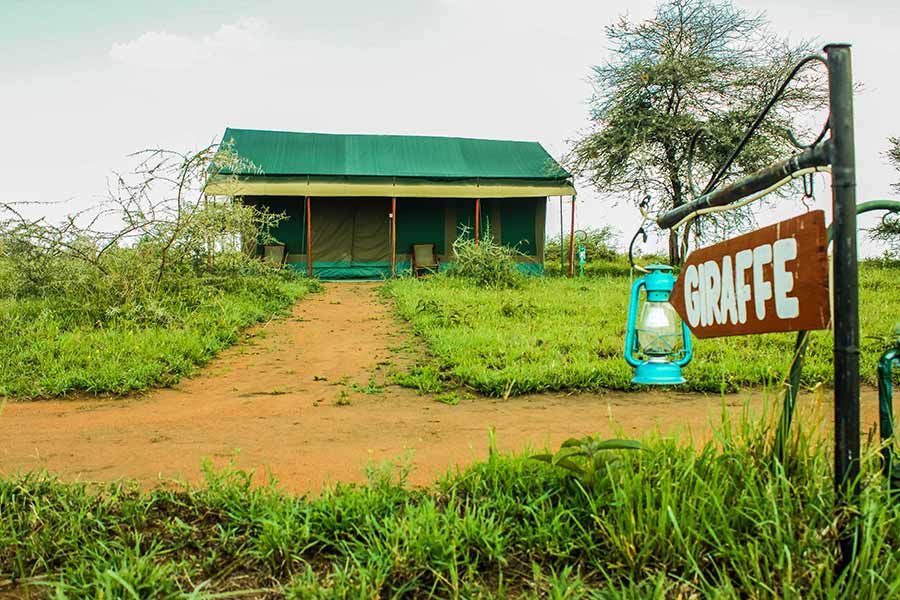
For most first-time visitors, the dry season offers the most reliable and accessible safari experience. If budget is a primary concern, or if you value solitude and lush landscapes, the shoulder months of November to December and January to February offer an excellent compromise.
Choosing Your Parks
Tanzania has 16 national parks and numerous game reserves and conservation areas. A typical first safari incorporates two or three parks over seven to ten days. Here are the most popular choices:
Serengeti National Park: The crown jewel of Tanzanian wildlife. The Serengeti is synonymous with the African safari and hosts the Great Migration, the Big Five, and an extraordinary density of predators. A minimum of three nights is recommended to experience the park properly. The Serengeti covers 14,750 square kilometres and offers diverse habitats from open plains to riverine forest.
Ngorongoro Crater: A collapsed volcanic caldera that forms a natural amphitheatre 260 square kilometres in area. The crater floor supports an incredibly dense population of wildlife, including all of the Big Five, in a compact, easily explored area. One full day in the crater is sufficient for most visitors, though the experience is unforgettable.
Tarangire National Park: Known for its massive baobab trees and large elephant herds, Tarangire is particularly impressive during the dry season when huge concentrations of animals gather around the Tarangire River. It is less visited than the Serengeti and Ngorongoro, offering a quieter, more intimate safari experience.
Lake Manyara National Park: A smaller park famous for its tree-climbing lions and large flocks of flamingos on the alkaline lake. It is often included as a half-day stop on circuits between Arusha and the Serengeti.
Selous Game Reserve (Nyerere National Park): The largest protected area in Africa, the Selous offers a wild, remote safari experience in southern Tanzania. Boat safaris on the Rufiji River are a unique highlight.
How Long to Stay
The ideal length for a first Tanzania safari depends on your budget and interests, but we generally recommend the following:
| Duration | Itinerary | Best For |
|---|---|---|
| 5 days | Serengeti + Ngorongoro | Time-limited visitors wanting the essential experience |
| 7 days | Serengeti + Ngorongoro + Tarangire or Manyara | Most first-time safari-goers |
| 10 days | Extended Serengeti + Ngorongoro + Tarangire + Lake Manyara | Photographers, wildlife enthusiasts, relaxed pace |
| 14+ days | Northern circuit + southern parks or Zanzibar beach extension | Comprehensive Tanzania experience |
Do not underestimate how tiring safari travel can be. Long drives on rough roads, early wake-ups, and the constant stimulation of new experiences can be exhausting. Build in rest time at your camp or lodge, and resist the urge to pack too much into too few days.
Budgeting Your Safari
Tanzania is not an inexpensive destination, and a well-planned safari requires significant investment. The primary cost components are:
- Park fees: Tanzania's national parks charge daily entry fees that vary by park. The Serengeti charges approximately $60 per person per day for non-residents, with additional concession fees. These fees directly fund conservation and park management.
- Accommodation: Safari accommodation ranges from basic camping (from $50 per night) to ultra-luxury tented camps ($500 to $1,500+ per night, typically all-inclusive). Mid-range tented camps offer an excellent balance of comfort and value.
- Transport: Getting to and between parks involves either road transfers (less expensive but time-consuming) or light aircraft flights (faster but more costly). A bush flight from Arusha to the Serengeti typically costs $250 to $400 per person.
- Guide and vehicle: On a private safari, you will have a dedicated guide and vehicle. On a group safari, you share these costs with other travellers.
- International flights: Flights to Kilimanjaro International Airport (JRO) or Julius Nyerere International Airport in Dar es Salaam vary widely depending on origin and season.
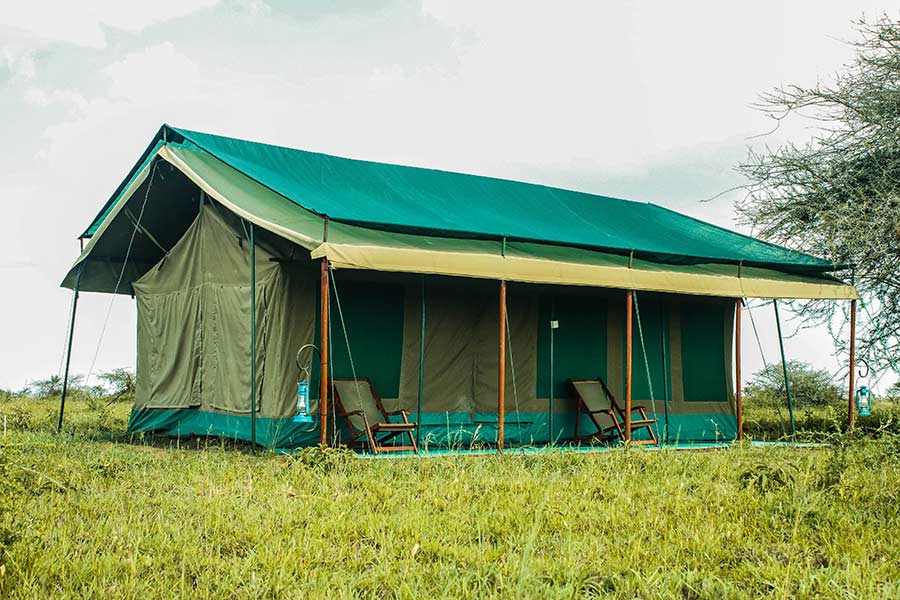
As a rough guideline, expect to budget $300 to $500 per person per day for a mid-range safari, and $700 to $1,500+ per person per day for a luxury experience. These figures are all-inclusive, covering accommodation, meals, game drives, park fees, and internal transfers.
Visas and Entry Requirements
Most visitors to Tanzania require a visa. Tourist visas are available on arrival at Kilimanjaro International Airport and other major entry points, though we recommend obtaining an e-visa in advance through the Tanzania Immigration Services website to avoid queues. The standard tourist visa costs $50 and is valid for 90 days. US citizens pay $100.
Your passport must be valid for at least six months beyond your planned departure date and should have at least two blank pages for entry stamps.
Health Preparations
Consult your doctor or a travel health clinic at least six to eight weeks before departure. Key health considerations include:
- Yellow Fever: A yellow fever vaccination certificate is required if arriving from a country with risk of yellow fever transmission. Even if not technically required for your routing, many travellers carry the certificate to avoid complications at border control.
- Malaria: Tanzania is a malaria zone. Anti-malarial prophylaxis is strongly recommended for all visitors. Common options include Malarone and doxycycline. Insect repellent and long-sleeved clothing provide additional protection.
- Routine vaccinations: Ensure your routine vaccinations (tetanus, hepatitis A and B, typhoid) are up to date.
- Travel insurance: Comprehensive travel insurance including medical evacuation cover is essential. The Serengeti is remote, and medical evacuation by light aircraft can be extremely expensive without insurance.
Booking Your Safari
We recommend booking your safari through a reputable operator with local knowledge and established relationships with camps and lodges. A good operator will handle all logistics — transfers, permits, accommodation, and guiding — allowing you to focus on enjoying the experience.
For peak season travel (July to October), we recommend booking at least six to twelve months in advance, as the best camps fill up quickly. For green season travel, three to six months' advance booking is usually sufficient.
When evaluating operators, look for membership in professional associations such as the Tanzania Association of Tour Operators (TATO), positive reviews from recent travellers, and transparency about pricing and inclusions.
What to Expect
A Tanzania safari is unlike any other travel experience. It is slower, quieter, and more contemplative than most holidays. There is no rush, no agenda beyond following the rhythm of the bush. You will spend hours in a vehicle scanning the horizon, and many of your most treasured memories will come from unexpected moments — a lioness grooming her cubs, a sunset that turns the sky to fire, the sound of the African bush at dawn.
Come with an open mind, a spirit of adventure, and realistic expectations. Wildlife is wild — there are no guarantees. But the Serengeti has a way of delivering moments that exceed anything you could have imagined, and a well-planned safari almost always leaves visitors profoundly moved and eager to return.
If you would like help planning your Serengeti safari, please do not hesitate to contact our team at Serengeti Heritage Camp. We are always happy to share our knowledge and help you design the trip of a lifetime.
Related Articles
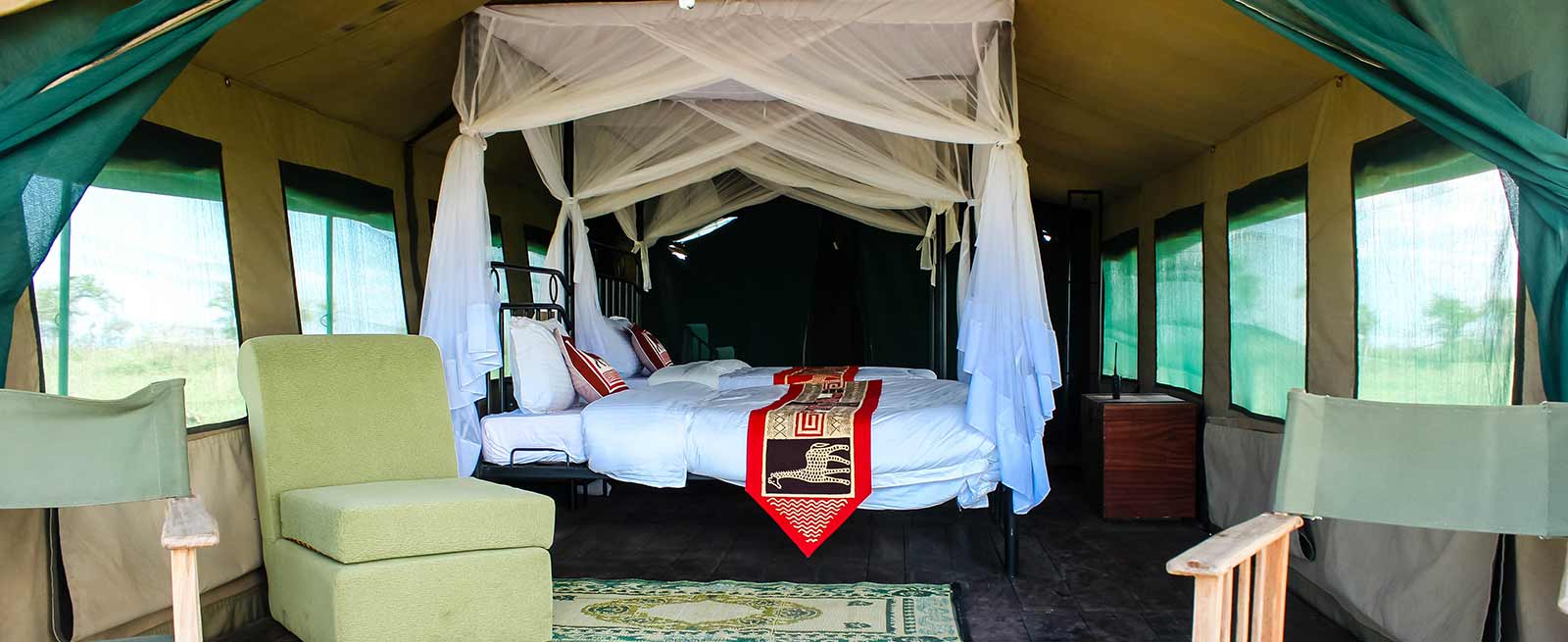
The Ultimate Safari Packing Guide
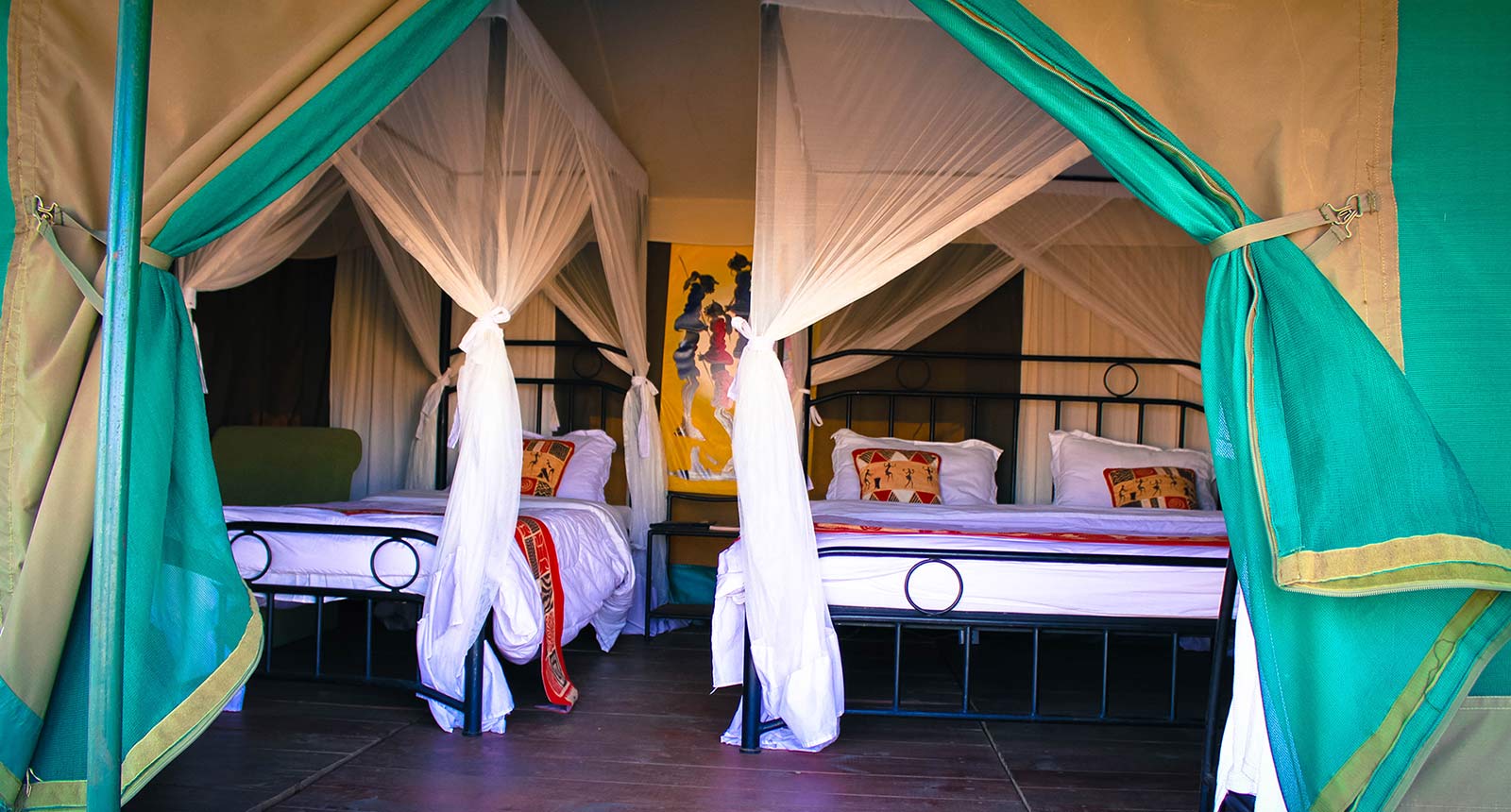
What to Expect: Your First Tented Safari Camp Experience