Bird Watching in the Serengeti: A Guide for Enthusiasts

While the Serengeti is rightly famous for its large mammals and the Great Migration, the park holds a secret treasure that often goes underappreciated: its extraordinary birdlife. With over 500 recorded species, the Serengeti National Park is one of Africa's premier birding destinations, offering everything from tiny jewel-like sunbirds to massive ostriches and powerful raptors soaring on the thermals.
For birdwatchers — whether novice or seasoned lister — the Serengeti provides a remarkably diverse range of habitats within a single ecosystem. Open grasslands, acacia woodland, riverine forest, kopjes (rocky outcrops), and seasonal wetlands each support their own distinct avian communities. A single day on safari can yield sightings of 80 to 100 species without even trying.
The Iconic Species
Certain birds have become synonymous with the East African safari experience, and the Serengeti delivers them in abundance:
Lilac-breasted Roller: Often considered the most beautiful bird in Africa, the lilac-breasted roller is a common sight perched on acacia branches throughout the Serengeti. Its iridescent plumage — turquoise, lilac, green, and cinnamon — makes it a favourite subject for photographers. These birds are most easily spotted during the dry season when they perch prominently on exposed branches to hunt insects.
Secretary Bird: This extraordinary raptor stands over a metre tall and hunts on foot, striding through the grasslands and stamping on snakes and rodents with its powerful legs. The secretary bird is increasingly rare across its range, making sightings in the Serengeti especially valuable. It is listed as Endangered on the IUCN Red List.
Kori Bustard: The heaviest flying bird in Africa, the kori bustard is a magnificent sight as it stalks through the short grass of the southern Serengeti. Males can weigh up to 18 kilograms and put on elaborate courtship displays during the breeding season, inflating their throat pouches and fanning their tail feathers.
Superb Starling: With its metallic blue-green upperparts, orange belly, and white breast band, the superb starling is one of the most photogenic birds around camp. These gregarious birds are often seen around picnic sites and camp grounds, where they have become remarkably tame.
Raptors of the Serengeti
The Serengeti supports an exceptional diversity of raptors, drawn by the abundance of prey in the grassland ecosystem. The open terrain makes the park one of the best places in Africa to observe birds of prey in action.
- Martial Eagle: Africa's largest eagle, with a wingspan exceeding two metres. It hunts hares, monitor lizards, and even young antelope.
- Bateleur: This striking short-tailed eagle is easily identified in flight by its distinctive rocking motion and vivid red face. It spends most of its day on the wing, covering vast distances in search of carrion and small prey.
- Lappet-faced Vulture: The dominant vulture species in the Serengeti, this massive bird can weigh up to 14 kilograms. It is often the first to open a carcass, thanks to its powerful beak.
- African Fish Eagle: Found along the Grumeti and Mara rivers, the fish eagle's haunting call is one of the most evocative sounds in Africa.
- Pygmy Falcon: At just 20 centimetres long, this diminutive raptor nests in the communal nests of buffalo weavers and hunts insects and small lizards.
Waterbirds and Wetland Species
The Serengeti's seasonal wetlands, rivers, and alkaline lakes attract a wealth of waterbirds, particularly during and after the rains:
Grey Crowned Crane: Tanzania's national bird is a stunning sight with its golden crown of feathers and grey body. These elegant cranes are often seen in pairs or small groups in the marshier areas of the park, performing their famous bouncing courtship dances.
Flamingos: Both greater and lesser flamingos can be found on the Serengeti's alkaline lakes, particularly Lake Ndutu and Lake Masek. During good years, thousands of these pink birds create a spectacular display against the grey-green water.
Saddle-billed Stork: One of Africa's most impressive waterbirds, the saddle-billed stork stands nearly 1.5 metres tall and sports a dramatically coloured red-and-black bill with a yellow frontal shield. These solitary hunters wade through marshes and river shallows, patiently waiting to spear fish and frogs.
Best Birding Seasons
Birding in the Serengeti is rewarding year-round, but the season you choose significantly affects which species you will encounter:
November to April (Wet Season): This is the peak birding season. Migratory species from Europe and northern Africa arrive in huge numbers, boosting the species count dramatically. Palearctic migrants such as Eurasian rollers, yellow wagtails, and various warblers join the resident species. The vegetation is lush and green, providing excellent habitat for breeding activity. Many resident species are in breeding plumage, making identification easier and photography more rewarding.
May to October (Dry Season): While overall species diversity is lower, the dry season offers its own advantages for birders. Vegetation is thinner, making birds easier to spot. Raptors concentrate around the migration herds to scavenge kills. Waterbirds congregate at the remaining water sources, creating impressive gatherings at rivers and waterholes.
Best Birding Habitats

Short-grass Plains (South): Home to ostriches, kori bustards, secretary birds, coursers, and larks. The open terrain makes spotting easy, and raptors patrol the skies above. During the wet season, the temporary pools attract waders and ducks.
Acacia Woodland (Central): The Seronera area's scattered acacia trees support a rich community of barbets, woodpeckers, go-away birds, starlings, and weavers. This is also prime habitat for the lilac-breasted roller and various hornbill species.
Riverine Forest (Grumeti and Mara): Dense gallery forest along the rivers shelters forest specialists including turacos, robin-chats, paradise flycatchers, and green pigeons. Patient observers may spot the elusive Pel's fishing owl at dawn or dusk.
Kopjes: The granite rock outcrops scattered across the Serengeti host cliff-nesting species such as augur buzzards, rock hyrax-hunting Verreaux's eagles, and agama lizards that attract smaller raptors.
Practical Tips for Birding on Safari
- Carry a field guide: Birds of East Africa by Stevenson and Fanshawe is the standard reference and covers all Serengeti species comprehensively.
- Invest in quality binoculars: 8x42 binoculars offer the best balance of magnification and light-gathering for birding. Waterproof models are preferable.
- Inform your guide: Tell your safari guide that you are interested in birds. Experienced Serengeti guides can identify most species by call and know the best birding spots.
- Start early: Birds are most active in the first two hours after dawn. The early morning game drive is the best time for birding as well as mammal viewing.
- Keep a checklist: Recording your sightings adds structure and excitement to your birding safari. The Tanzania Bird Atlas website provides downloadable checklists.
Birding Around Camp
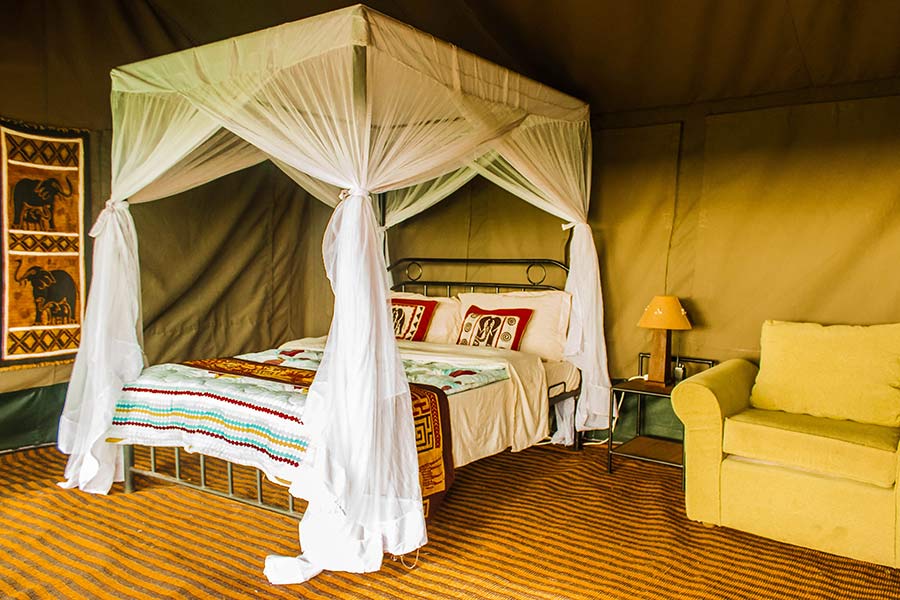
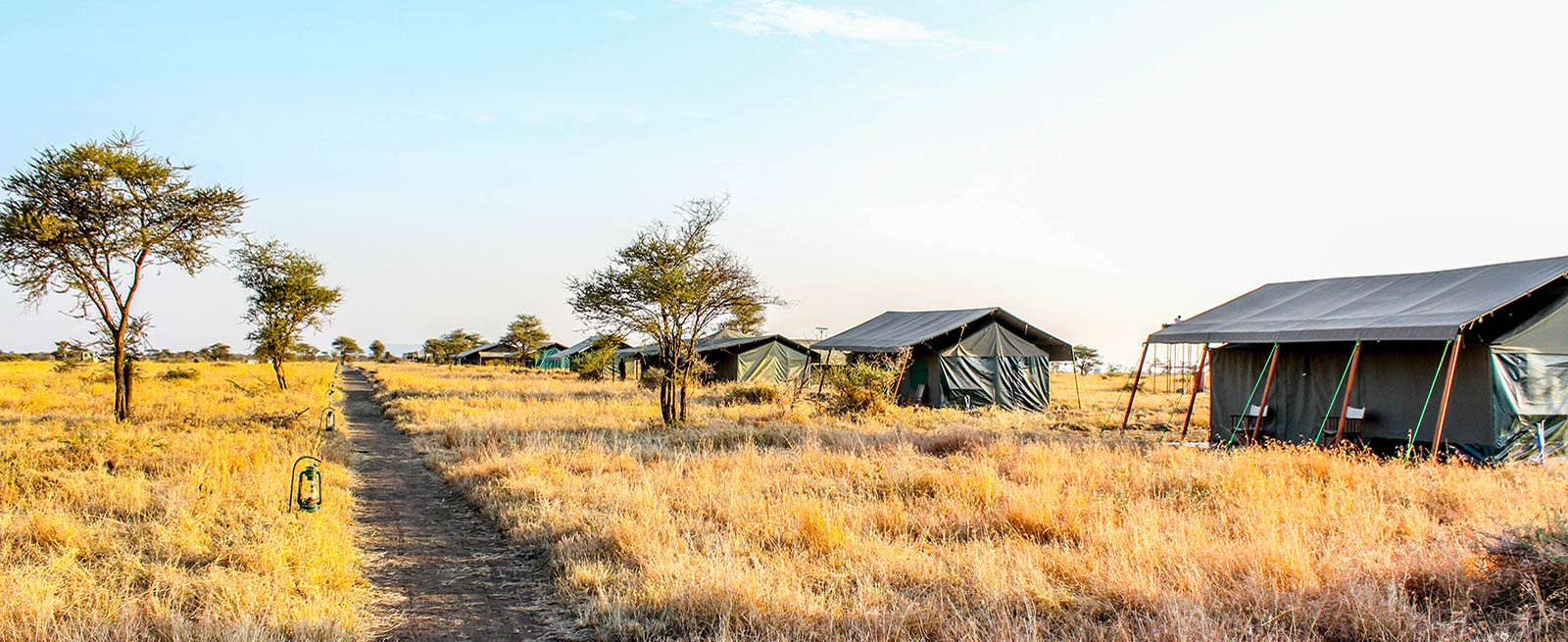
Some of the best birding happens right at Serengeti Heritage Camp. The camp's gardens and surrounding acacia woodland attract a constant stream of visitors. Superb starlings, red-cheeked cordon-bleus, white-browed robin-chats, and various sunbird species are regular visitors to the camp grounds. During quiet moments between game drives, simply sitting on your tent veranda with binoculars can yield wonderful sightings.
The Serengeti's birdlife is a world-class natural heritage that enriches every safari experience. Whether you come specifically for the birds or discover them as a bonus alongside the big mammals, the avian diversity of this extraordinary ecosystem will captivate and inspire you.
Related Articles
Safari Photography Tips: Capturing Wildlife in the Serengeti
The Great Migration: Witnessing Nature's Greatest Spectacle