Going on a Safari: What First-Timers Actually Need to Know
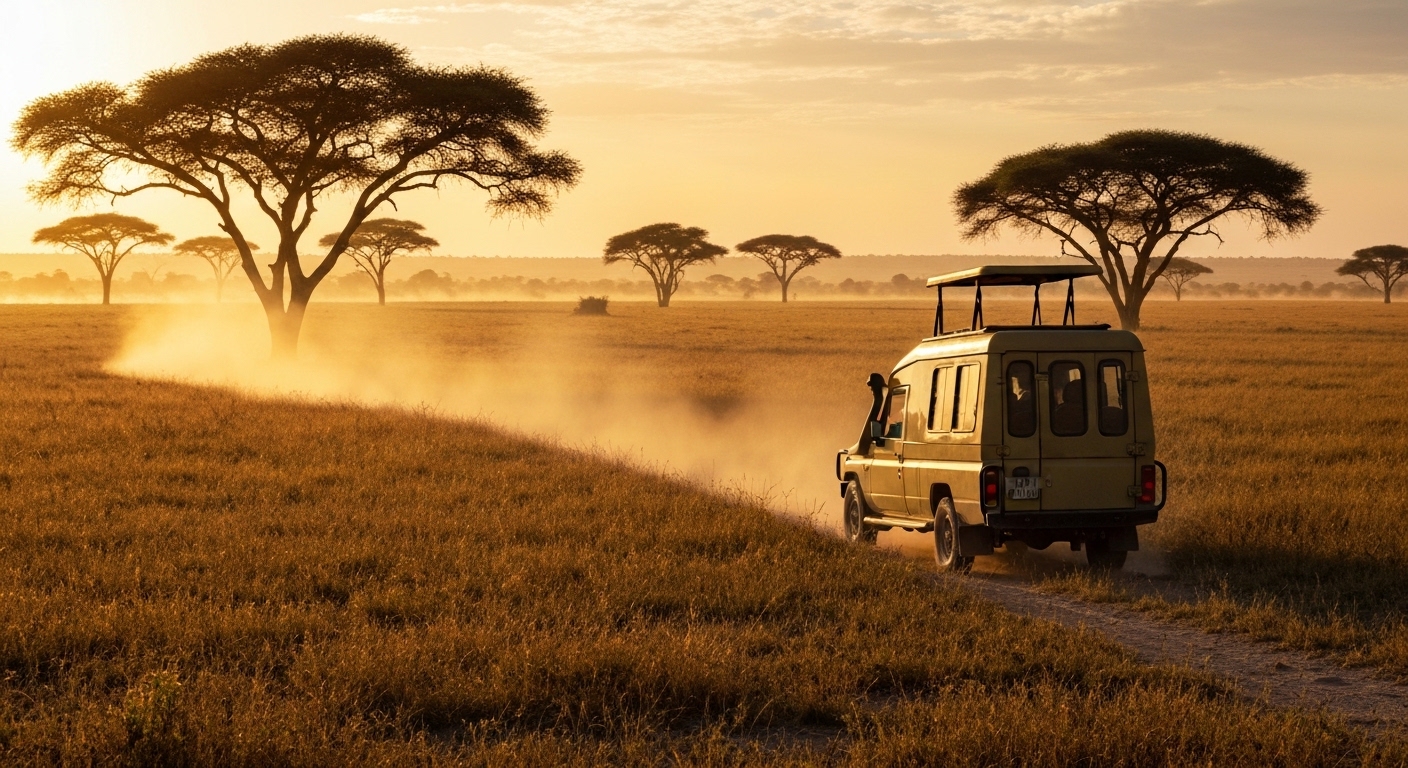
There is a particular feeling that arrives on the morning of your first game drive. You step out of your tent into the cool pre-dawn air, the Southern Cross still visible overhead, and you realize that everything you imagined about going on a safari is about to be tested against reality. Some expectations will be exceeded beyond anything you predicted. Others will need quiet adjustment.
Having hosted hundreds of first-time safari guests at Serengeti Heritage Camp, we can say with certainty that preparation makes the difference between a good trip and an extraordinary one. Not the kind of preparation that involves buying specialist equipment or reading field guides cover to cover, though both have their place. We mean the mental preparation: understanding what a safari actually is, how the bush works on its own schedule, and why flexibility is the most important thing you can pack.
Choosing When to Go
The Serengeti does not have a bad season, but it does have distinctly different ones, and your choice of timing will shape your entire experience.
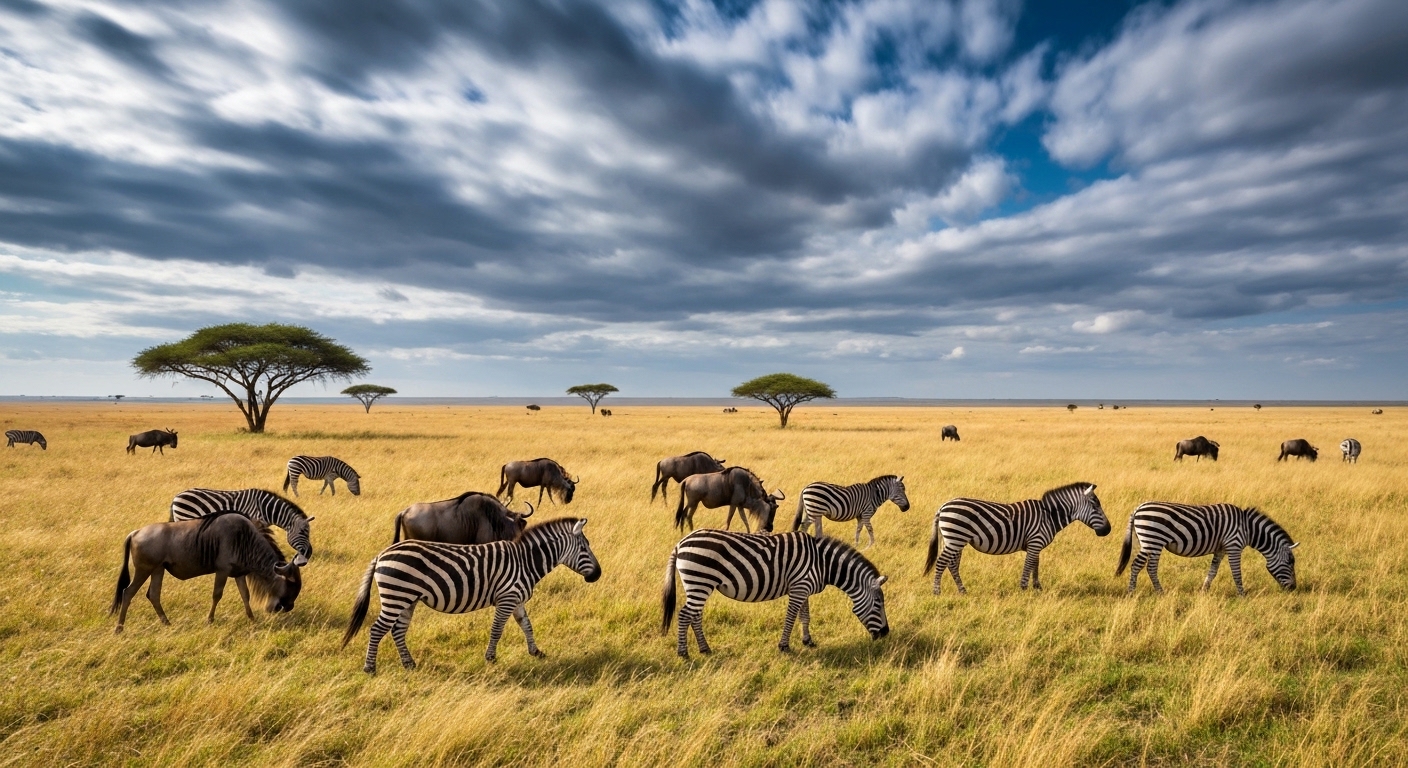
The dry season, from June through October, is the classic safari window. Vegetation thins out, animals congregate around remaining water sources, and visibility across the plains is exceptional. This is also when the wildebeest migration passes through the northern Serengeti, one of the great wildlife spectacles on Earth. If you are going on a safari for the first time and want the highest probability of seeing large numbers of animals in open terrain, the dry season is the safest bet.
The wet season, from November through May, offers a completely different character. The plains turn emerald green, the light is dramatic with towering cumulus clouds, and the calving season in February and March brings thousands of newborn wildebeest to the southern Serengeti. Predator activity during calving season is intense and visible. Bird populations explode with migratory species arriving from Europe and Asia. The wet season is also significantly less crowded, and rates at most camps are lower.
Both seasons reward the visitor. The question is not which is better but which version of the Serengeti you want to see first.
Where to Stay and What to Expect
The Serengeti covers roughly 30,000 square kilometres, and different areas offer different experiences. The central Seronera region has the highest year-round predator density — lion prides, leopards, and cheetah are resident here regardless of season. The northern corridor around the Mara River is migration country in the dry months. The southern plains are calving grounds in early spring.
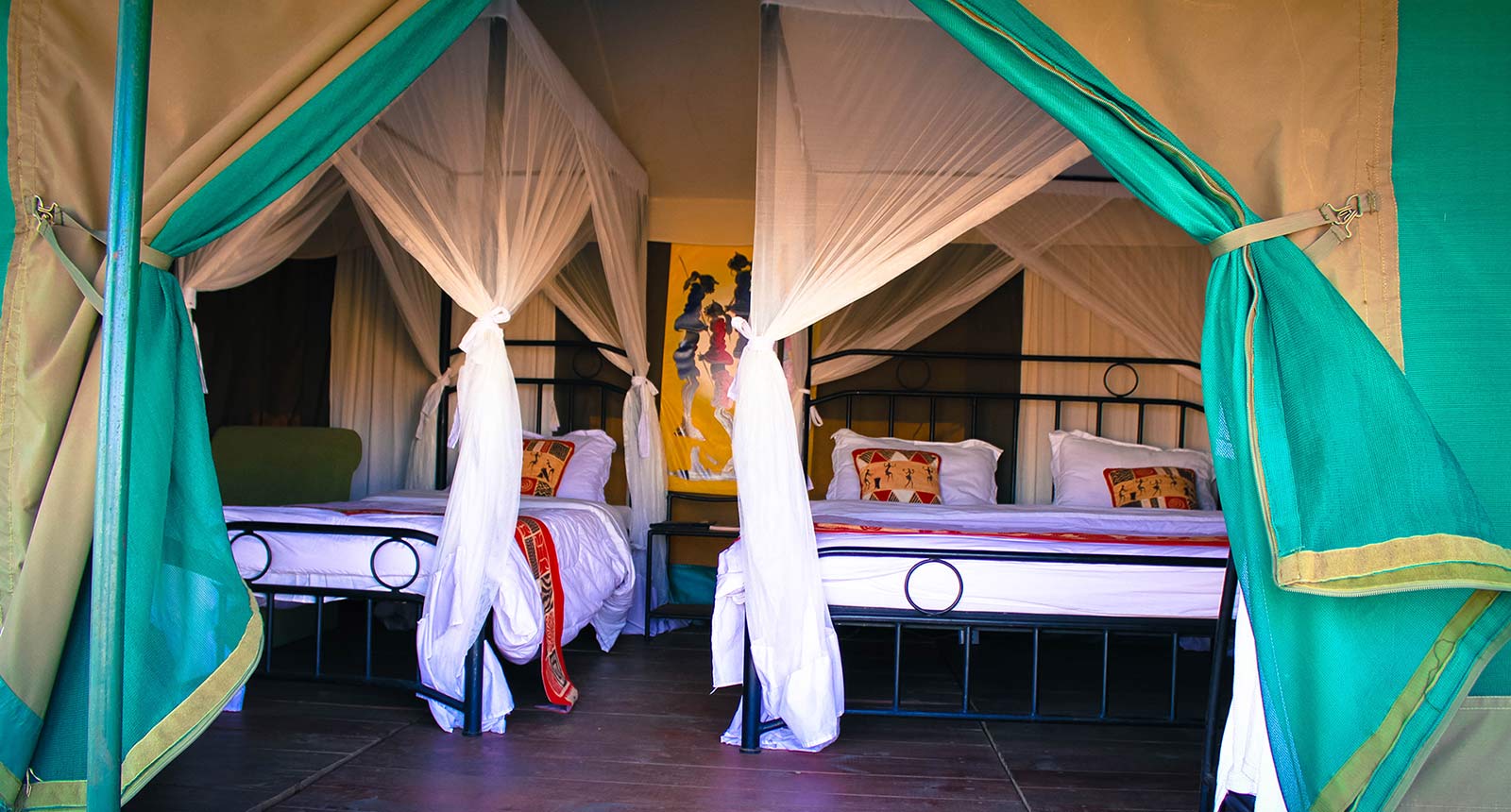
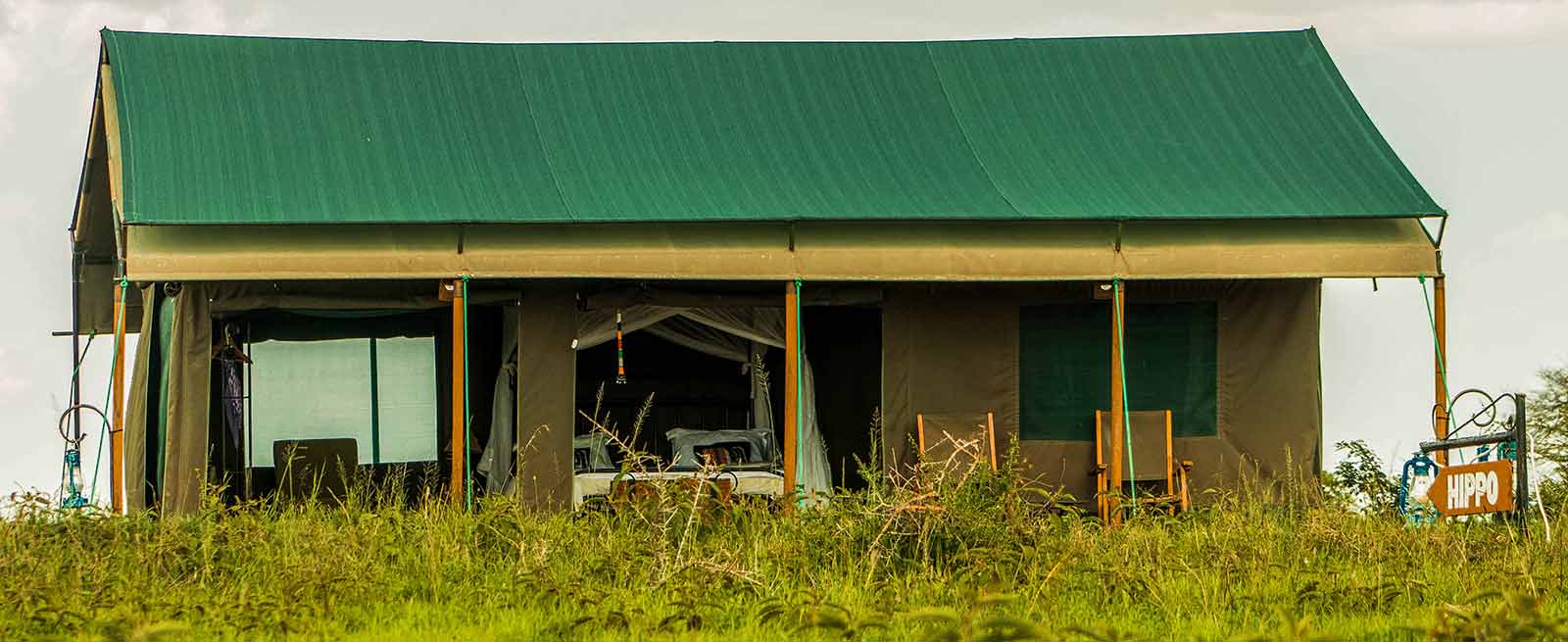
When going on a safari, your choice of accommodation matters more than most people anticipate. A tented camp places you inside the ecosystem in a way that a hotel simply cannot replicate. You hear hyenas calling at midnight, watch elephants walk through camp in the early morning, and fall asleep to the sound of crickets and distant lions. The canvas between you and the bush is thin by design. That proximity is part of the experience.
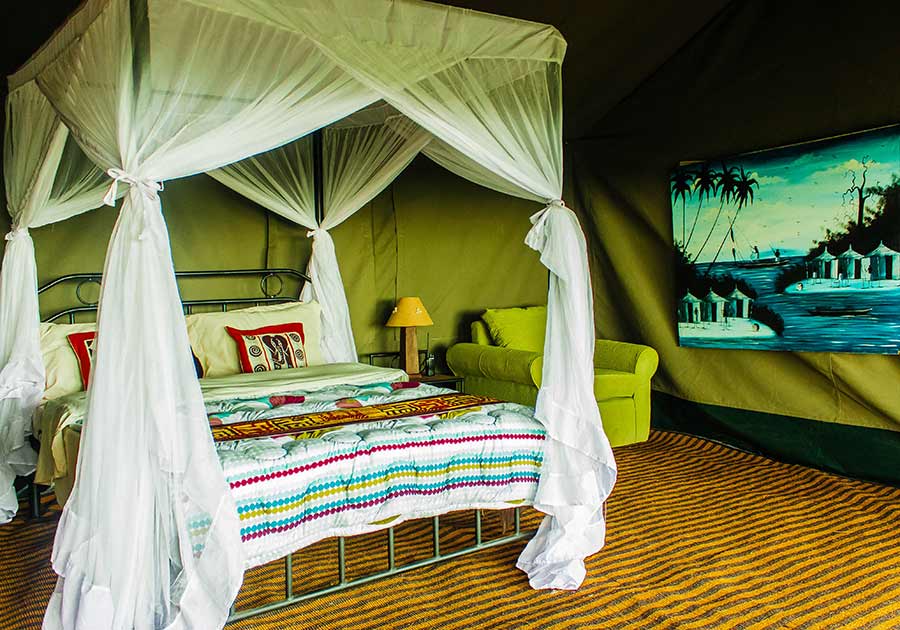
Most first-time guests worry about comfort. Modern tented camps, including Serengeti Heritage Camp, offer proper beds with quality linens, en-suite bathrooms with hot water, and meals prepared by professional chefs. The experience is not roughing it. It is sleeping in a beautiful room that happens to have lions outside.
What to Bring (and What to Leave Behind)
Packing for a safari is simpler than most people make it. The essentials are neutral-coloured clothing — khaki, olive, brown, nothing bright that might startle wildlife — layered pieces for cold mornings and warm afternoons, a wide-brimmed hat, decent binoculars, and a camera with a zoom lens.
Leave the expensive jewellery, the white clothing, and the enormous suitcases. Most light aircraft and bush vehicles have strict luggage limits, usually 15 to 20 kilograms in a soft-sided bag. Hard-shell suitcases cannot be loaded into small aircraft holds. This catches more first-time visitors than any other logistical detail.
Sun protection is critical. The equatorial sun at 1,500 metres elevation burns quickly, even on overcast days. Quality sunscreen, lip balm with SPF, and a hat are essential. Insect repellent containing DEET is recommended for evenings, though malaria risk in the Serengeti proper is relatively low during the dry season.
A Typical Day on the Plains
If you are going on a safari and wondering what the days actually look like, here is a fairly standard rhythm at Serengeti Heritage Camp.
You wake before dawn, around 5:30 or 6:00. Coffee and light breakfast are ready in the mess tent. By 6:30, you are in the vehicle with your guide, driving into the golden light of the early morning. This is prime activity time — predators are still hunting, herbivores are on the move, and the light is spectacular for photography.
The morning drive lasts three to four hours. Your guide reads the landscape, following tracks, listening to alarm calls, checking known territories. No two drives are alike. Some mornings you find a leopard in a sausage tree within twenty minutes. Others unfold slowly, building toward an encounter that you did not see coming.
Back at camp by late morning, you have brunch, rest during the midday heat, read, or take a guided walk if conditions permit. The afternoon drive begins around 15:30, running until sunset and sometimes a bit beyond. Evenings after dark bring dinner, campfire conversations, and the extraordinary soundscape of the Serengeti night.
First-Timer Mistakes That Cost Time and Money
Having watched hundreds of guests experience their first days going on a safari, certain patterns repeat.
The most common mistake is over-scheduling. Guests who try to see five parks in seven days spend more time in vehicles and airports than watching wildlife. Two or three well-chosen locations, with at least two nights at each, produce a far richer experience than racing through a checklist.
Another frequent error is ignoring the small things. First-timers often fixate on finding the Big Five and overlook the astonishing biodiversity surrounding them. A dung beetle rolling its prize across the track, a lilac-breasted roller launching from a termite mound, a chameleon crossing a branch — these encounters stay in memory just as powerfully as the big cats.
Finally, many people underestimate how much going on a safari changes their relationship with the natural world. It is not simply a holiday. Guests arrive as tourists and leave as advocates. They start reading about conservation, paying attention to habitat loss, donating to anti-poaching initiatives. The Serengeti has that effect. It reminds you that the wild world is not a documentary. It is real, it is fragile, and it is worth protecting.
If you are considering going on a safari for the first time, the only real advice is this: go. The details will sort themselves out. The bush has been welcoming visitors for far longer than any of us have been alive, and it will welcome you too.
Related Articles
Planning Your Tanzania Safari: A Practical Guide
The Essential Safari Packing Guide